About
Cruise destinations and environmental accountability
Green claims, ports of call and measurable places
I study how environmental claims about cruise tourism can be assessed against independent, place-based evidence from the destinations where ships operate. My interests bring together cruise destination management, sustainability communication, and passenger experience.

I hold a bachelor's degree in Modern Languages from the University of Trento (2026), with a track in Languages for Tourism and Business Intermediation (LITI). During my degree, I spent the spring 2026 semester at Bryant University in Rhode Island, studying business and marketing, and was named to the Dean's List.
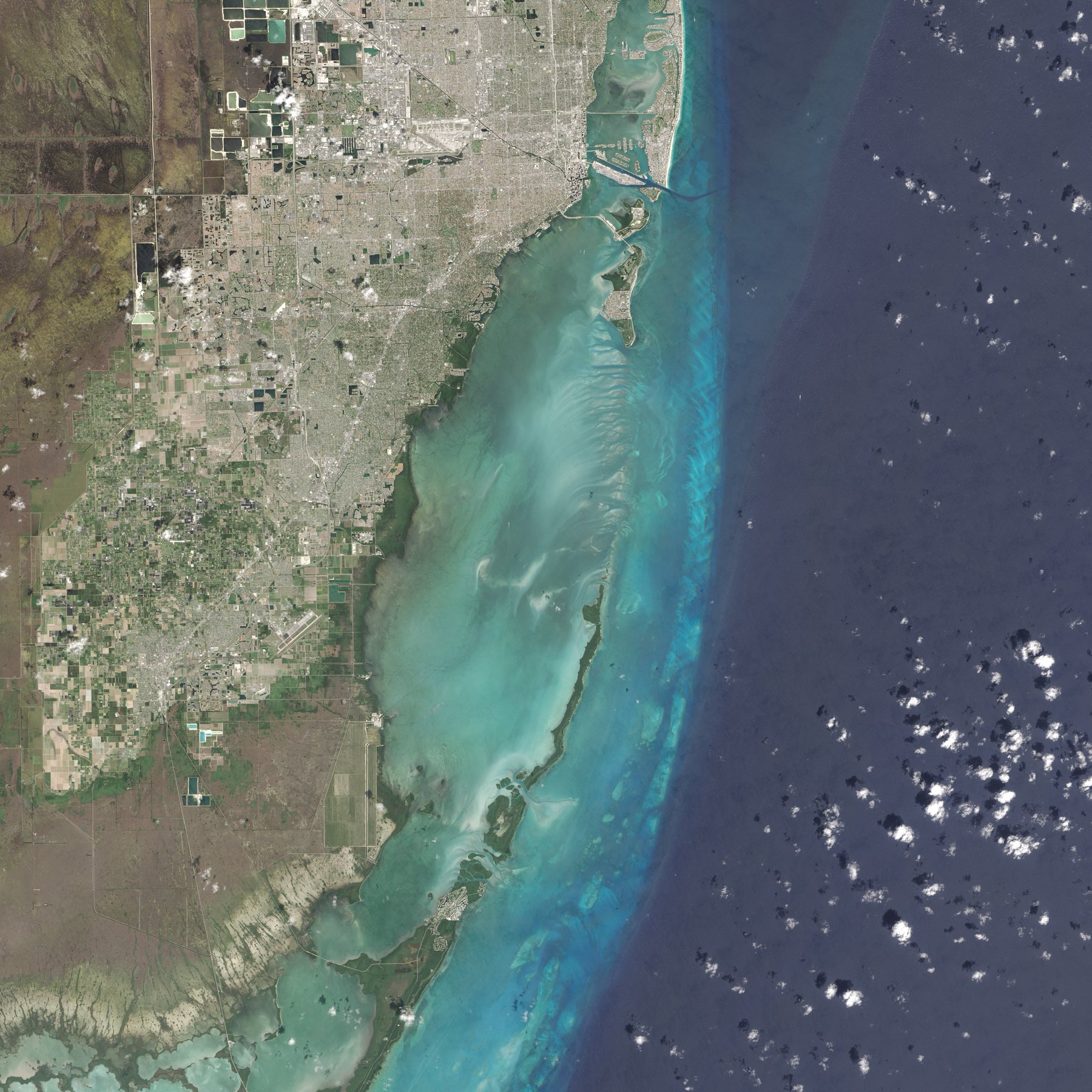
My bachelor's thesis, Cruise Tourism and Water Quality: Green Claims vs. Blue Reality in the Biscayne Bay Coastal System, graded 30/30 with honors, examined 18 sustainability claims on water use, wastewater treatment, and food waste in the 2025 sustainability reports of Royal Caribbean Group, Norwegian Cruise Line Holdings, and Carnival Corporation. I assessed how the claims were formulated and considered whether the information provided could be connected to independent monitoring of Biscayne Bay, where PortMiami is located. The thesis was supervised by Prof. Angelo Besana and co-supervised by Prof. Antonio Bibbò.
The research did not establish that the companies' claims were false. It found a more specific problem: company reports largely describe performance across entire fleets, while monitoring describes water conditions influenced by many sources. The information available in the study did not allow a measured local change to be attributed to an individual cruise ship or operator. I describe this as an attribution gap.
That finding led to my graduate research proposal, From Unverifiable Claims to Measurable Places: Cruise Access Choices at Ports of Call. Rather than asking only whether a sustainability claim can be checked after it has been made, the proposal asks what a destination should measure before describing one ship-to-shore access option as preferable to another. The proposed study is built around three comparative cases: Grand Cayman as the lead case, Santorini for the visitor-flow dimension, and Key West as a contrasting governance case. It considers environmental evidence alongside operating conditions, governance, and the passenger’s arrival experience. The proposal is a plan for future research, not a completed study or an engineering assessment.
I am preparing applications to master’s programs in hospitality, tourism, and sustainability management in Florida for Fall 2027. I welcome correspondence about research supervision, thesis-based study, and research assistantships. Over time, I hope to examine how the comparative framework and place-based accountability tools developed through this work could be adapted to Italian and other Mediterranean cruise destinations.